
Termite Protection for Wooden Jhulas: Expert Factory Tips
Wooden swings—especially intricately carved ones—are massive investments. Unfortunately, they are also prime targets for India's aggressive subterranean and dry-wood termites.
If you own a premium wooden swing or a traditional Sankheda Hichko, here is how you ensure it stays termite-free for generations.
1. Factory-Level Pre-Treatment (The Best Defense)
If you haven't purchased your swing yet, ask the manufacturer how they treat their wood. At Vrundavan Steel Industries, before any wood is polished or carved, it undergoes a deep-pressure chemical impregation process using anti-borer and anti-termite compounds.
*If a factory skips this step to save money, the wood is compromised from day one.*
2. Keep it Elevated
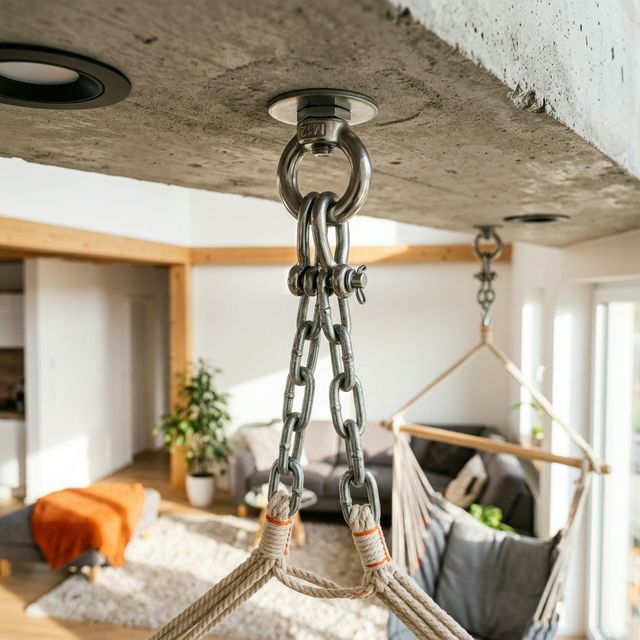
The biggest benefit of a ceiling-mounted indoor jhula is that it does not touch the ground! Termites hate open air. A hanging swing is naturally insulated from ground-crawling subterranean termites.
3. Watch for the 'Telltale Dust' (Frass)
Inspect the floor beneath your swing once a month. If you see tiny piles of what looks like sawdust or coffee grounds, you have a dry-wood borer/termite infection inside the wood.
4. The Syringe Injection Method (DIY Fix)
If you find an infected pinhole:
5. Maintain the Polish Seal
Termites seek untreated, breathing wood. A thick, unbroken layer of Melamine or PU (Polyurethane) polish acts as a physical barrier. Recoat your wooden swing every 5 years to keep the protective shield intact.